



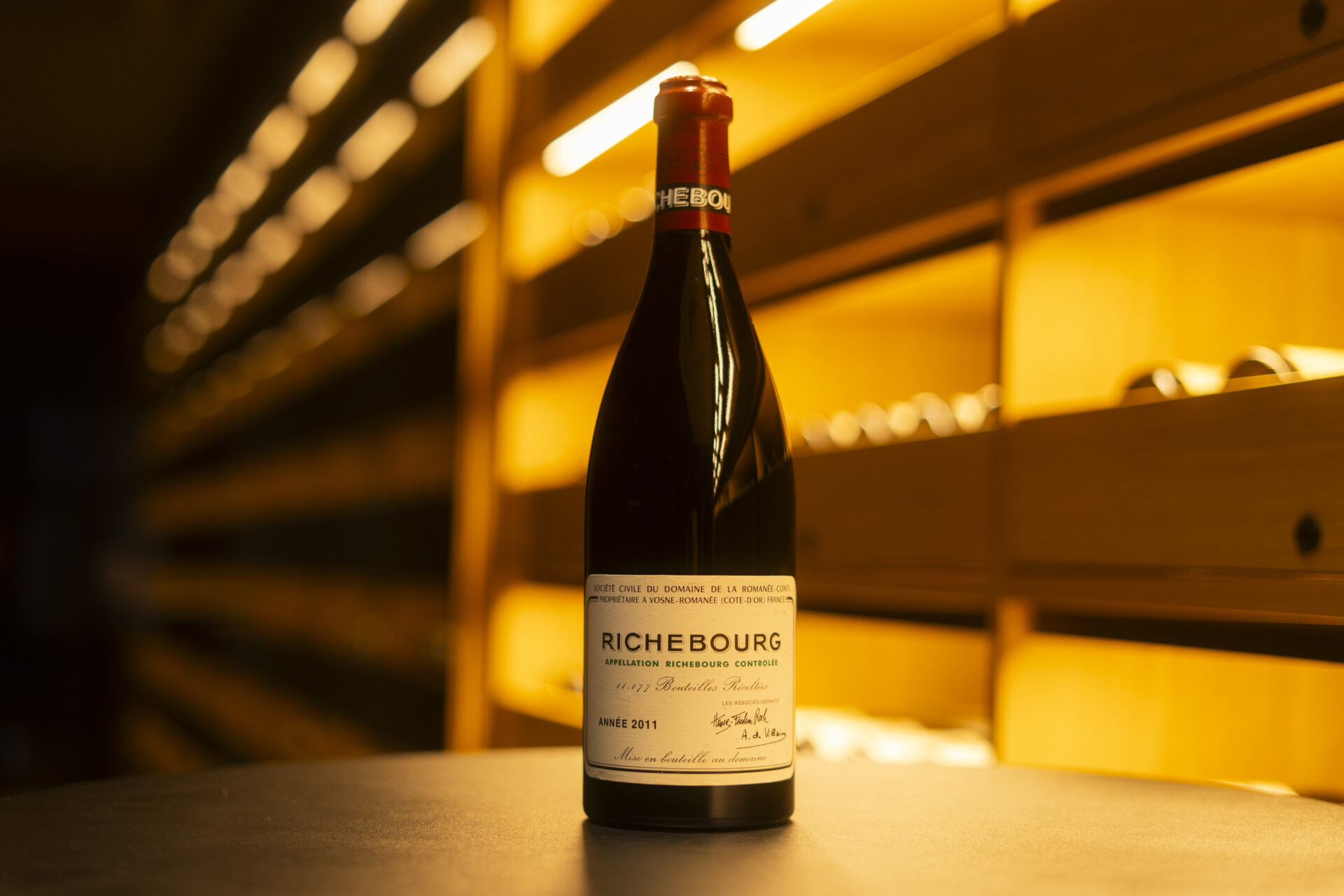
DRC Richebourg 2011 | Power and Finesse Beside Romanée-Conti
Harvested on 7 and 8 September 2011, just 11,177 bottles: a vintage in which Richebourg’s underlying strength meets delicacy and precisely defined fruit.
Domaine de la Romanée-Conti Richebourg Grand Cru 2011 is a Pinot Noir from the celebrated vineyard in Vosne-Romanée, Burgundy. Produced by Domaine de la Romanée-Conti (DRC), Richebourg lies immediately beside Romanée-Conti and is known for marrying generous fruit and a powerful structure with remarkable texture.
A very early growing season and unsettled summer weather made 2011 a demanding vintage. According to the domaine’s records, Richebourg was harvested on 7 and 8 September, with 11,177 bottles reported. This is a wine whose character is best understood through the purity and definition of its fruit rather than sheer concentration alone.
Domaine de la Romanée-Conti: Expressing the Differences Between Grand Cru Vineyards
Based in Vosne-Romanée, Domaine de la Romanée-Conti produces wines from some of the Côte de Nuits’ most celebrated Grand Cru vineyards, including Romanée-Conti, La Tâche, Richebourg and Romanée-Saint-Vivant.
Romanée-Conti and La Tâche are monopoles—vineyards owned in their entirety by the domaine. Richebourg, by contrast, has several owners. DRC holds 3.5110 hectares of its land within this prestigious Grand Cru.
The domaine’s approach aims to preserve each vineyard’s identity. In Richebourg, that identity is associated with generous, deeply textured fruit, firm underlying structure and a controlled sense of power.
Richebourg: 3.5110 Hectares beside Romanée-Conti
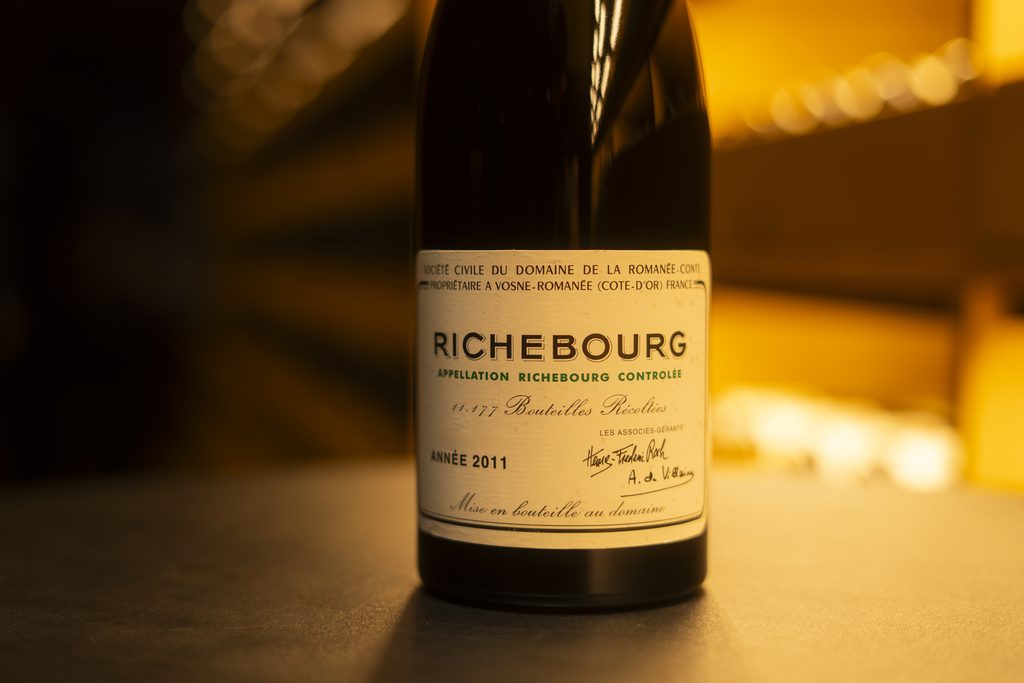
Richebourg occupies a mid-slope position in Vosne-Romanée, immediately adjacent to Romanée-Conti. Unlike the neighbouring monopole, its wines are bottled by several estates, each working its own parcel.
On its official website, DRC evokes Richebourg as combining something of Romanée-Conti’s silkiness with La Tâche’s firmness. Rather than simple weight, it is a wine whose strength is held beneath a supple texture.
To explore the contrasting character of DRC’s neighbouring vineyards, see IMAMI’s articles on La Tâche 2015 and Romanée-Conti 2017.
Burgundy 2011: Early Growth Following a Very Warm April
The domaine’s official 2011 vintage account describes a season in which April was warmer than July, pushing vine development far ahead of its usual calendar. After an early flowering period, changeable weather made the growing season unusually difficult to manage.
From late May onwards, vineyard work required constant attention to mildew, powdery mildew, soil management and the timing of operations. Deciding when to harvest became a particularly important judgement.
DRC described the wines at the end of vinification as possessing fruit and depth, but above all finesse. In 2011, elegance and purity appeared likely to take precedence over sheer power.
The 7–8 September Harvest: 11,177 Bottles of Richebourg
Richebourg was harvested over two days, 7 and 8 September 2011. The official domaine figures record 11,177 bottles from its 3.5110-hectare holding.
Period vintage literature reports an average vine age of approximately 45 years and a yield of around 28.36 hectolitres per hectare. These figures help distinguish the wine’s origin and scale from general descriptions of its reputation.
The domaine picked its other Grand Crus in early September as well, with La Tâche and Romanée-Conti preceding Richebourg and Romanée-Saint-Vivant following closely. Harvest timing reflected decisions taken for each vineyard.
Biodynamic Vineyard Work and 21–24 Days of Maceration
DRC’s 2011 report explicitly describes vineyard protection against disease within its biodynamic approach. Observing the vines and responding precisely to changing weather was especially important in this difficult season.
In the cellar, Bernard Noblet and his team managed grapes that sometimes arrived warm from harvest, making cooling and careful fermentation control necessary. Several vats were inclined to start fermenting at similar times.
The domaine recorded macerations lasting 21 to 24 days. Immediately after vinification, it noted the fruit, depth and finesse of its 2011 wines, while cautioning that their final character would take time to reveal itself.
Red Fruit, Raspberry Leaf and Stony Aromas
Critic Matthew Jukes described the 2011 Richebourg as showing ample mid-palate fruit, balance and a long, sleek palate with promising aromatic development.
Neal Martin’s tasting note identifies blackberry, raspberry leaf, freshly worked meadow and a cool-stone impression. The palate emphasises crisp red fruit, a focused line and poised structure.
These descriptions underline the 2011 vintage’s combination of Richebourg character and aromatic precision. The condition and storage history of an individual mature bottle remain important to its present-day expression.
Domaine de la Romanée-Conti Richebourg 2011 | Wine Details
France|Burgundy|Côte de Nuits|Vosne-Romanée|Richebourg Grand Cru|Domaine de la Romanée-Conti (DRC)|2011 Vintage|Pinot Noir|DRC Holding 3.5110 ha|Harvested 7–8 September|11,177 Bottles Reported|Red Wine|750ml
A 2011 Grand Cru from Richebourg, immediately beside Romanée-Conti. The vintage’s early season and difficult weather shaped a wine defined by precise red fruit, an underlying firm structure and an elegantly expansive texture.
Availability at IMAMI
IMAMI offers Domaine de la Romanée-Conti and other rare Burgundy and Bordeaux wines, as well as Champagne, whisky and Japanese sake. For current availability, visit IMAMI Ginza, IMAMI Shinsaibashi, or contact us.
※Rare-wine availability changes frequently. Mature bottle condition and storage history can affect its expression.

