



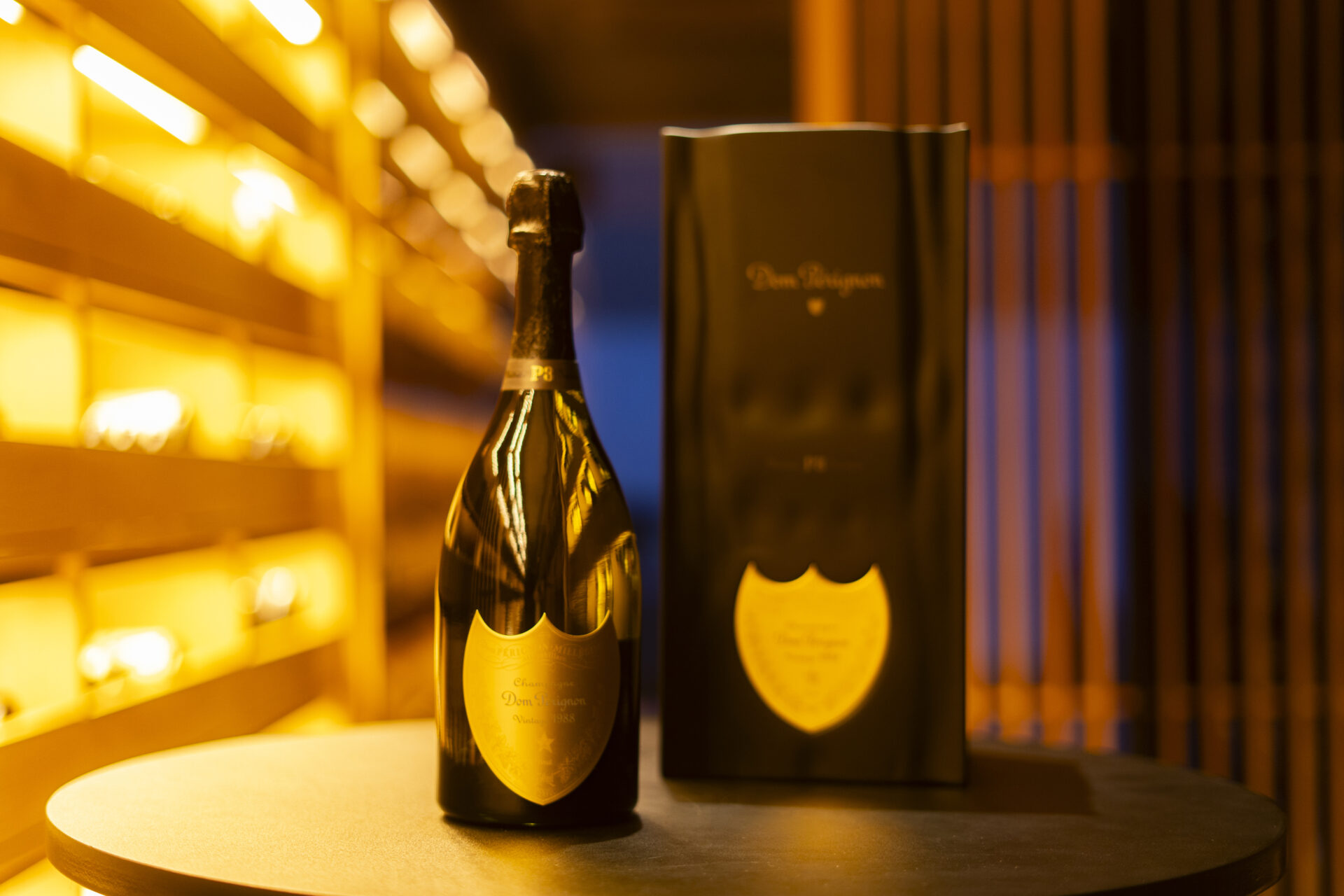
Dom Pérignon P3 1988 | Third Plénitude After Decades on the Lees
Nearly three decades after the 1988 harvest, Dom Pérignon enters its Third Plénitude through extended maturation on the lees.
Dom Pérignon P3 1988 is a late-released vintage Champagne from the 1988 harvest, matured for an exceptional period on its lees before disgorgement. P3 stands for Plénitude 3, the third stage of development in Dom Pérignon’s philosophy of maturation.
The original vintage release, P2 and P3 represent different moments in the life of wine from the same harvest. Their distinguishing feature is the time spent maturing on the lees and the point at which the wine is disgorged. P3 1988 brings together the layered complexity of long ageing with the structured character of its vintage.
Dom Pérignon: A Champagne Made Only in Vintage Years
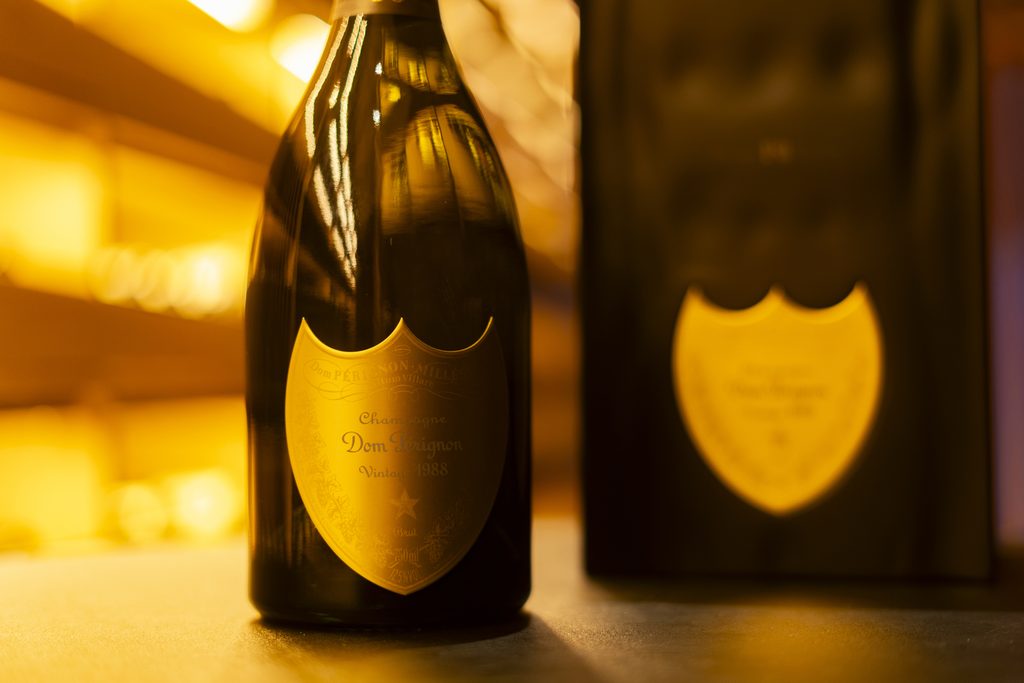
Dom Pérignon is made exclusively as a vintage Champagne, from grapes harvested in a single year. The house does not declare a vintage when the conditions fail to meet its exacting standards.
Its assemblage draws on Chardonnay and Pinot Noir from selected Champagne vineyards. The aim is not simply to combine different grapes but to achieve a balanced expression of each particular growing season.
Dom Pérignon’s Plénitude releases take this idea further, exploring how the character of one vintage changes during extended bottle maturation.
What Is P3? The Third Plénitude
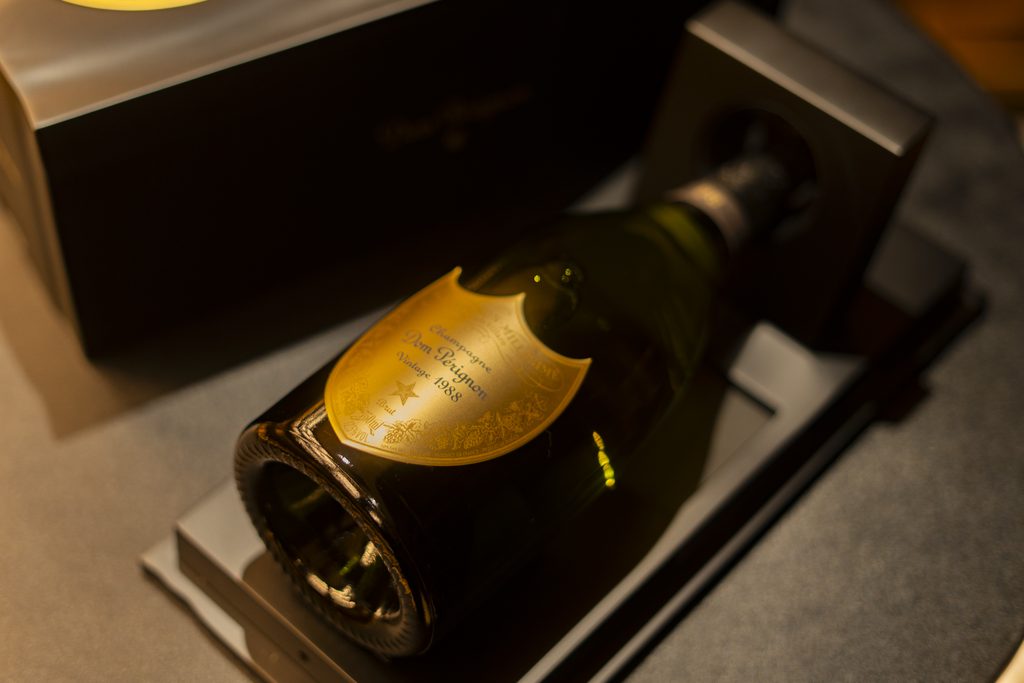
Dom Pérignon views maturation as a journey through successive moments of fullness. The original vintage release marks the first Plénitude; P2 represents another stage after extended lees ageing; P3 is the third and most mature expression of the same vintage.
P2 is generally released after roughly 12 to 16 years, while P3 may remain on its lees for 20 to 30 years or longer. As the yeast-derived lees interact with the wine, roasted, toasted and savoury elements can develop alongside changes in texture and the perception of the mousse.
P3 is not a new blend created by adding different wines to Dom Pérignon. It is a later-disgorged expression from the same vintage, aged for much longer in the house’s cellars. The difference is the evolution brought by time.
The 1988 Vintage: Rain in July, Ripeness in Late Summer
The 1988 growing season in Champagne opened with an unusually mild, rainy winter, followed by a warm and dry spring. Flowering was early and rapid during the sunny weather of June.
Heavy rainfall arrived in July, but hot, dry conditions from the beginning of August through mid-September provided an excellent period for grape maturation. The vintage developed a firm framework capable of sustaining a long ageing journey.
In P3 1988, the structural energy of the harvest remains present even after decades on the lees, giving definition to the complex mature aromas.
Extended Lees Ageing and the Significance of Disgorgement
Champagne develops its bubbles through a secondary fermentation in bottle. After fermentation, the wine remains in contact with its yeast lees, which gradually contribute to flavour complexity and a rounded texture.
Disgorgement removes the lees at the end of this period. By postponing the process far beyond the normal vintage release, P3 develops a distinct expression of maturity while retaining the character of the original harvest.
The 1988 vintage’s firmness and acidity provide a framework for the richer aromas of long ageing. Rather than simply making a wine taste older, the P3 approach reveals a different balance between tension, complexity and texture.
Dried Flowers, Orange Peel, Gingerbread and Toasted Aromas
Dom Pérignon P3 1988 unfolds in successive waves of dried flowers, orange peel, gingerbread, exotic tobacco and grilled aromas. The evolution from delicate floral elements to spice and deeper roasted notes expresses the intricacy of its long maturation.
The palate is taut and incisive, yet notably silky. Its mature, polished texture gives the wine a composed character without sacrificing its energy.
The finish is firm and unexpectedly fruity, with a satiny sensation that lingers. The contrast between precision and mature richness is central to this expression of 1988.
Original 1988 Versus P3: One Harvest, Different Ageing Paths
Both the original Dom Pérignon 1988 and the P3 release began with grapes from the same year. Their paths diverged in the length of time spent on the lees and the point of disgorgement.
The original release has evolved in bottle after its earlier disgorgement. P3 instead spends many additional years under lees ageing before being released, providing a different relationship between freshness, mature aromatics and texture.
The condition of the individual bottle and the years elapsed since disgorgement also influence how a mature Champagne tastes today. P3 1988 is best understood through this distinct path of ageing, not simply through the number of years since harvest.
Dom Pérignon P3 1988 | Product Details
France|Champagne|Dom Pérignon|P3 / Plénitude 3|1988 Vintage|Vintage Champagne|Chardonnay and Pinot Noir|Extended Lees Ageing|750ml
Dom Pérignon P3 1988 is a third-Plénitude expression developed over decades from the 1988 harvest. Dried flowers, citrus peel, spice and toasted notes meet incisive structure and silky texture, leading to a firm, lingering finish.
Availability at IMAMI
IMAMI offers Dom Pérignon and other mature Champagnes, along with rare Burgundy and Bordeaux wines, Japanese whisky and sake. For current availability, please visit IMAMI Ginza, IMAMI Shinsaibashi, or contact us.
※Rare Champagne availability changes frequently. Bottle condition and storage history can affect the expression of mature vintages.

