



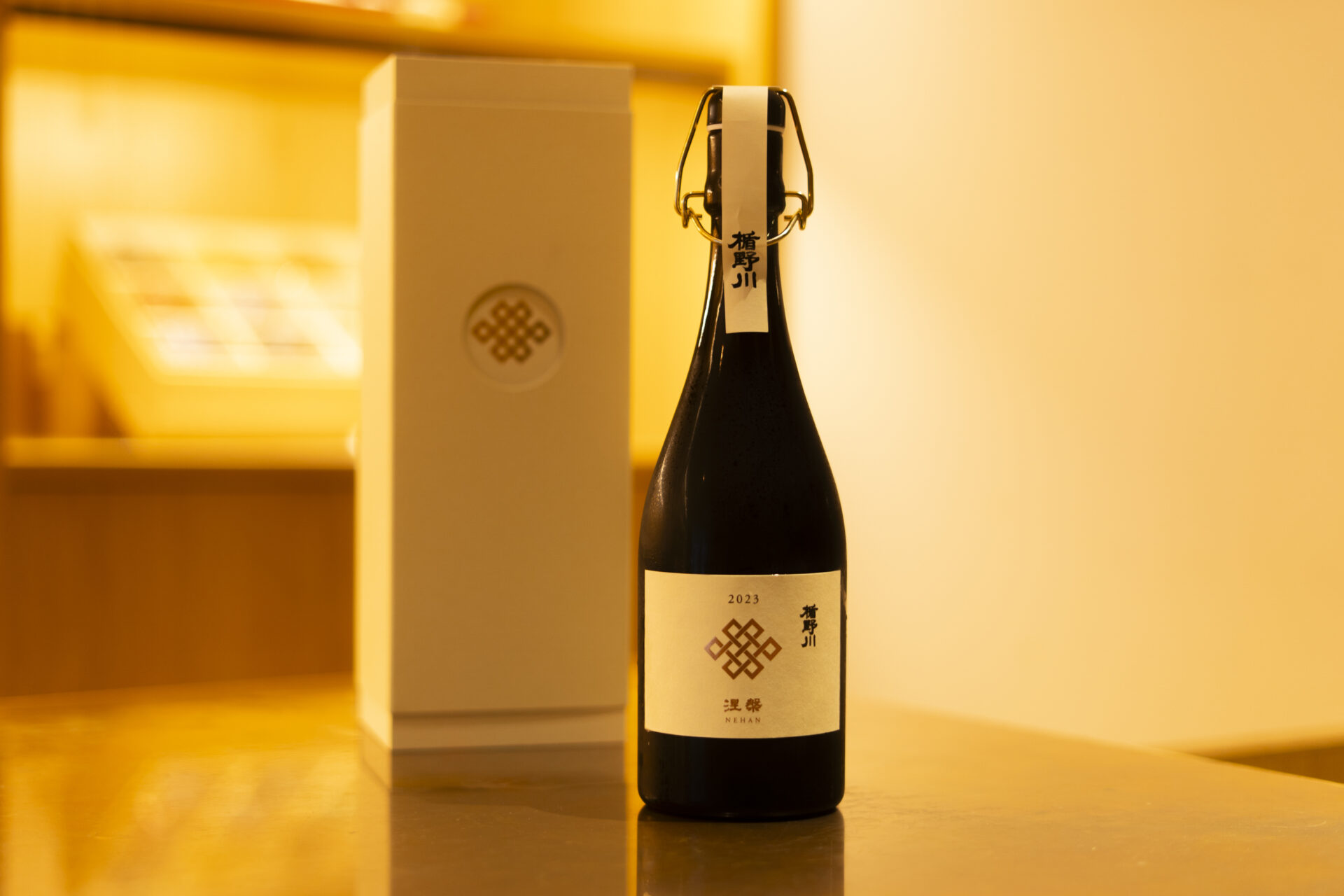
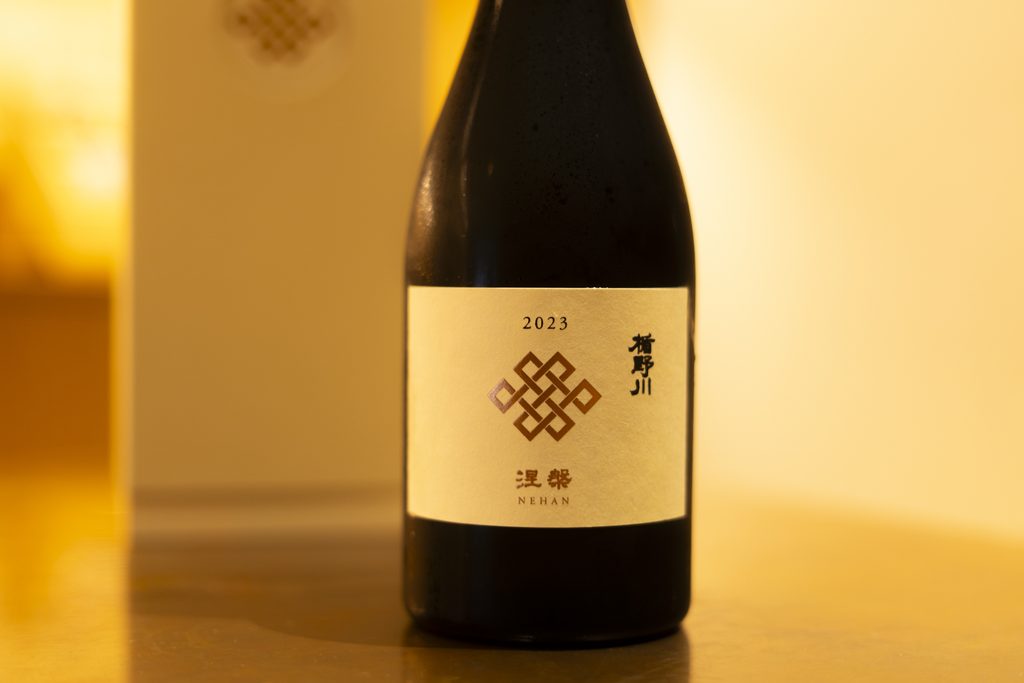
Tatenokawa Nehan 2025 | Revived Sobe Wase Rice, Polished to 18%
Today, only one brewery uses Sobe Wase for sake: Tatenokawa.
Tatenokawa Junmai Daiginjo Nehan 2025 is made from Sobe Wase, an old local rice variety from the Shonai region of Yamagata that had disappeared from cultivation before the brewery brought it back.
The rice is polished to just 18% of its original size. More unusually, Tatenokawa treats the rice harvest year as a “Rice Vintage”, making maturation and change over time part of the identity of the sake.
Sobe Wase: the parent of Kame no O
Sobe Wase (惣兵衛早生) is a traditional rice variety from Shonai in northern Japan.
It is historically important because it is the parent of Kame no O, another old Japanese rice variety that later became famous among sake brewers.
As newer rice varieties replaced older ones, Sobe Wase disappeared from normal cultivation. In 2017, Tatenokawa obtained just 1.9kg of surviving seed rice from an agricultural research station in Yamagata.
Working with contracted farmers, the brewery spent more than three years multiplying that seed until there was enough rice to brew sake commercially. Tatenokawa states that it is currently the only brewery using Sobe Wase for sake production.
Polished to 18% — what that number means
Nehan is made entirely from Sobe Wase polished to 18%.
In sake, the polishing ratio refers to how much of the original rice grain remains after milling. An 18% polishing ratio means that 82% of the outer grain has been removed, leaving only the central 18% for brewing.
For context, Junmai Daiginjo — one of Japan’s highest premium sake classifications — requires rice to be polished to 50% or less. Nehan goes far beyond that threshold.
The 2025 release uses Yamagata KA yeast and is bottled at 15% ABV.
Why “2025” and “Rice Vintage 2023” are both correct
The current bottle is called Nehan 2025, but the rice used for it carries a 2023 Rice Vintage.
This is not a contradiction. Tatenokawa uses “Rice Vintage” to mean the year in which the rice was harvested, rather than the year the finished sake was released.
The idea is closer to the role of vintage in wine: the raw agricultural material is tied to a specific harvest year, and that year becomes the starting point for understanding how the drink changes with age.
A sake designed to change after release
Tatenokawa describes Sobe Wase as particularly suitable for maturation.
As the sake ages, the brewery expects the rice’s underlying depth to become rounder, more complex and more mature in character.
That makes Nehan different from sake designed primarily around immediate freshness. The bottle is intended to be understood not only as it tastes today, but also through how it develops over the following years.
For international readers, this is one of the most distinctive ideas behind the brand: ageing is not an afterthought, but part of the product concept from the beginning.
Quiet aroma, clarity and a supple finish
The brewery describes Nehan as having a restrained, gentle Ginjo aroma rather than an overtly aromatic style.
The palate is clear and polished, with moderate volume and a deeper richness underneath. Supple acidity keeps the wine-like weight in balance and allows the finish to fade cleanly.
Rather than expressing Sobe Wase through obvious sweetness or perfume, Nehan emphasises subtle depth, calmness and the potential to evolve with time.
Three awards at the Milano Sake Challenge
Nehan received three distinctions at the Milano Sake Challenge in Italy.
It earned Platinum in the sake tasting category, Best Design in the design category, and recognition in the food-pairing category with white-fish carpaccio.
The three awards highlight different sides of the bottle: the sake itself, its presentation and its ability to work at the table.
Tatenokawa Junmai Daiginjo Nehan 2025
Japan | Yamagata | Junmai Daiginjo sake | 100% Sobe Wase | 18% polishing ratio | Yamagata KA yeast | 15% ABV | Rice Vintage 2023
Nehan brings together two forms of time: a rice variety recovered from the past and a sake designed to keep changing into the future. Sobe Wase, the parent of Kame no O, is polished to 18%, brewed as Junmai Daiginjo and presented with its rice harvest year as a defining part of the bottle.
Available at IMAMI
IMAMI is a specialist retailer offering wine, whisky, sake and other fine spirits, together with Japanese drinking vessels including Edo Kiriko glassware. We carefully select and sell each bottle and piece with attention to the craftsmanship, history and culture behind it.
For in-store product availability, please enquire at IMAMI Ginza or IMAMI Shinsaibashi, or contact us.
Product selection and availability vary by store.
New arrivals are announced on our official Instagram @imami__japan and in our NEWS archive.

