



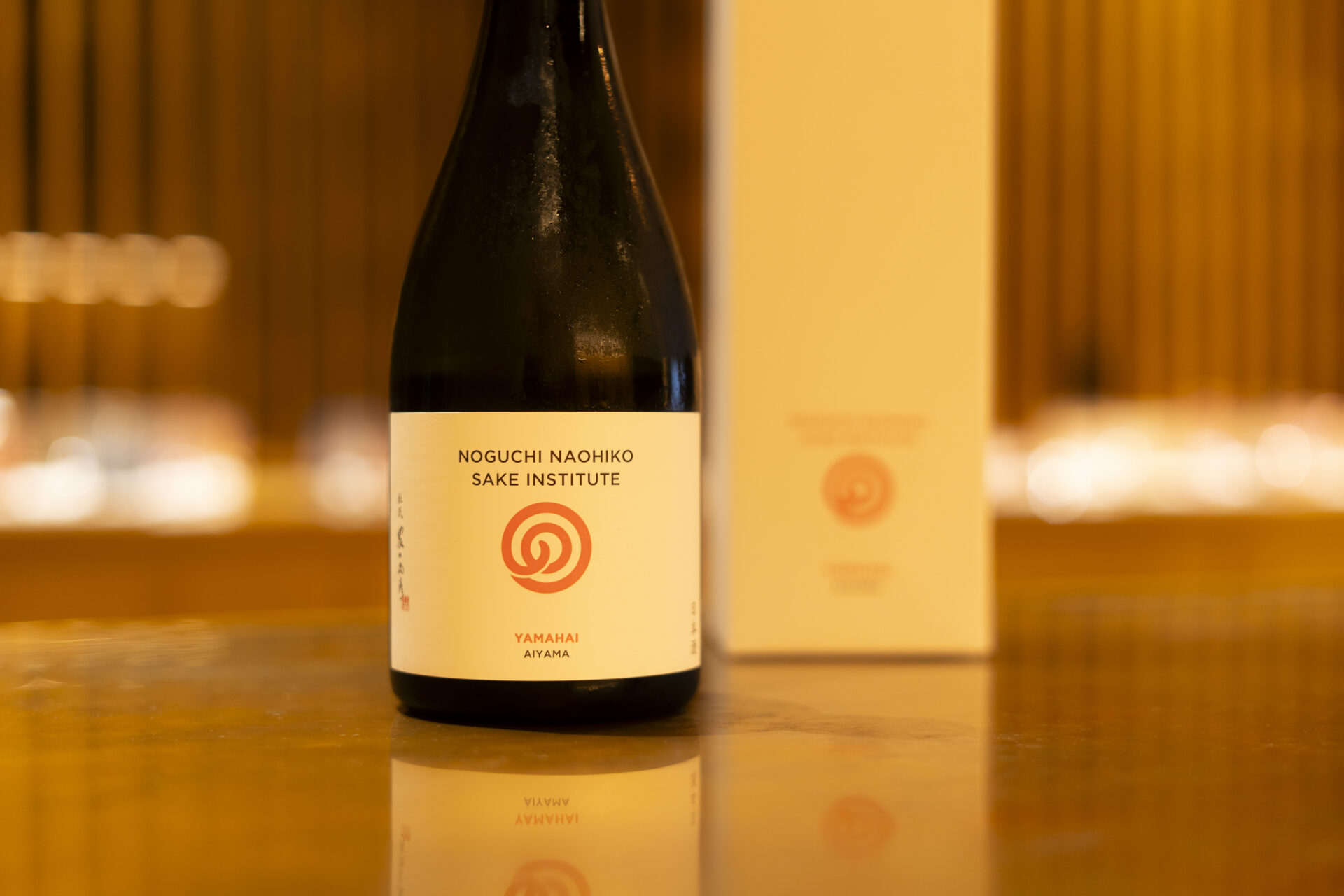
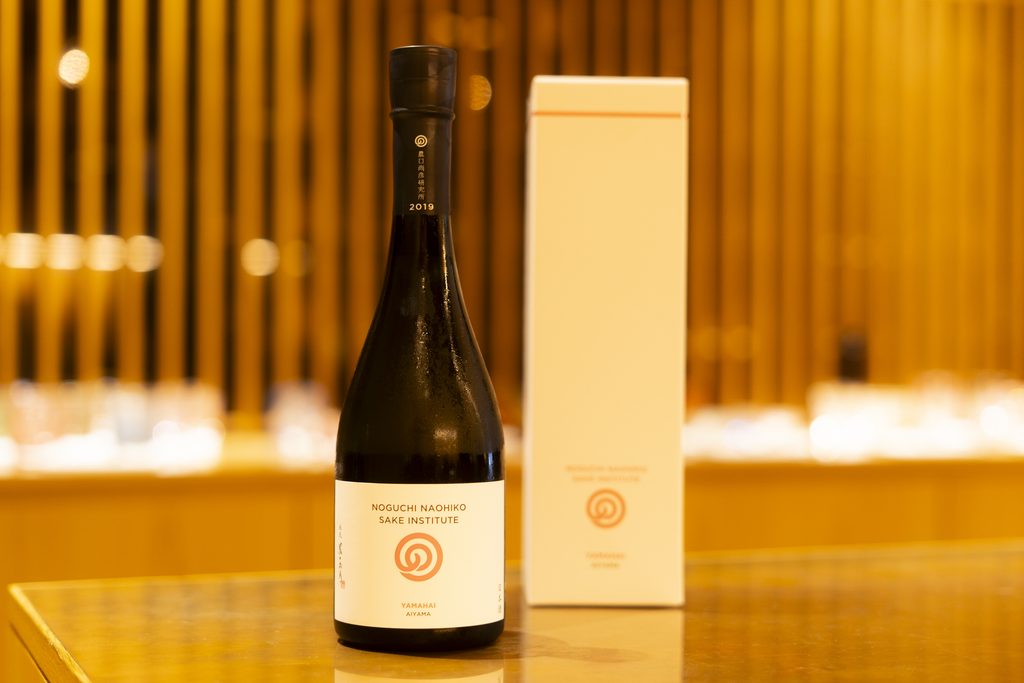
Noguchi Naohiko Yamahai Aiyama 2019 | Rare Aiyama Rice, Yamahai Brewing and Matured Nama Sake
Unpasteurised sake is often associated with freshness and youth. This bottle takes a different path.
Noguchi Naohiko Sake Institute Yamahai Aiyama Muroka Nama Genshu 2019 Vintage is made with rare Aiyama sake rice from Hyogo, brewed using the traditional Yamahai method, and kept as an unpasteurised, undiluted sake while developing mature character over time.
Aiyama: the “diamond of sake rice”
Aiyama is a rare variety of sakamai — rice bred specifically for sake brewing rather than for eating. It was developed in Hyogo from Aifune 117 and Yamayu 67. Through that pedigree, it carries the bloodlines of Yamada Nishiki, Japan’s best-known premium sake rice, and Omachi, one of the country’s oldest surviving sake-rice lineages. Noguchi Naohiko Sake Institute describes Aiyama as the “diamond of sake rice” because of its quality, limited production and difficulty of cultivation.
Aiyama has relatively large grains and dissolves readily in the fermenting mash, helping brewers draw out a rich, full flavour. For this 2019 Vintage, the Hyogo-grown rice is polished to 55% — meaning 45% of the outside of each grain is milled away before brewing, leaving 55% of the original grain.
Aiyama is often associated with sweetness, richness and a generous texture. In this sake, those qualities meet the firmer acidity and savoury depth associated with Yamahai brewing.
What “Yamahai” means
Yamahai is a traditional way of making the yeast starter — the small, highly concentrated fermentation that is prepared before the main sake mash. Modern breweries often add lactic acid directly to protect this starter. Yamahai instead allows naturally occurring lactic-acid bacteria to develop that acidity over time. It evolved from the older kimoto method, but omits the laborious rice-mashing step known as yama-oroshi; the name “Yamahai” comes from the Japanese phrase meaning that this step has been abolished.
The process is slower and more demanding to manage than the widely used modern “quick starter” method, known in Japanese as sokujo. A Yamahai starter typically takes around three weeks to a month to develop, compared with roughly 10 days to two weeks for the faster method.
For Naohiko Noguchi, Yamahai has been central to his brewing for roughly six decades. After becoming a toji — the head brewer responsible for leading a sake brewery’s production — in his twenties, he turned to Yamahai in search of sake with greater flavour, acidity and depth. The brewery describes the style as bringing broad savoury flavour, weight, acidity and a clean finish.
Why “2019 Vintage” does not mean a 2019 release
Unlike a wine vintage, which usually refers to the year the grapes were harvested and the wine was made, the Vintage year used by Noguchi Naohiko Sake Institute primarily refers to the harvest year of the rice used for the sake. It should therefore not be read simply as the bottle’s release year.
Rather than selling every batch immediately, the brewery monitors each sake and stores it at low temperature until the flavour reaches the balance it wants. Ageing is therefore part of the brewery’s approach, even for sake made in an unpasteurised style.
That helps explain why the official tasting profile of this 2019 Vintage includes aromas specifically described as coming from maturation.
Cotton candy, nuts and a fermented-butter finish
The brewery describes the aroma as complex and mature, with notes reminiscent of cotton candy and nuts.
On the palate, the sake is soft, rich and creamy, with pronounced sweetness balanced by mineral notes and an astringent edge. The finish brings a flavour reminiscent of fermented butter.
The result is not simply the fresh, forceful profile that the words nama genshu might suggest. The 2019 Vintage combines that concentration with the additional complexity of time.
What “Muroka Nama Genshu” means
The label muroka nama genshu combines three Japanese sake terms. Muroka means the sake has not undergone the usual charcoal filtration used to refine colour and flavour. Nama means it has not been heat-pasteurised, so it must be kept refrigerated. Genshu means it has not been diluted with water after fermentation to lower the alcohol level. Together, the terms describe a comparatively direct, concentrated expression of the brewed sake.
This sake is 19% ABV and requires refrigeration. It is labelled Ginjo, one of Japan’s premium sake categories. For Ginjo, no more than 60% of the original rice grain may remain after polishing; here, the Hyogo-grown Aiyama is polished further, to 55% remaining.
Taken together, these details explain why the bottle is unusual. It combines a rare brewing rice, a slow traditional starter method, an unpasteurised and undiluted style, and low-temperature maturation. In other words, it brings together qualities normally associated with fresh, powerful sake and the additional complexity that comes with time.
Available at IMAMI
IMAMI specialises in wine, whisky, sake and Japanese drinking vessels, including Edo Kiriko. We present each bottle and piece together with the craftsmanship and background that give it lasting value.
For in-store product availability, please enquire at IMAMI Ginza or IMAMI Shinsaibashi, or contact us.
Product selection and availability vary by store.
New arrivals are announced on our official Instagram @imami__japan and in our NEWS archive.

